Water Damage Restoration: Steps to Take
Water damage can be a devastating experience for homeowners and businesses alike. Whether caused by a leaky roof, burst pipe, or flooding, the need for prompt action is crucial to minimize damage and prevent further complications. In this guide, we will outline the essential steps you need to take for effective water damage restoration.
Understanding Water Damage
Water damage can occur in various forms and can lead to significant structural issues if not addressed quickly. Here are some common types of water damage:
- Clean Water Damage: Caused by broken pipes or overflows.
- Gray Water Damage: Resulting from sources like washing machines or dishwashers.
- Black Water Damage: Comes from sewage or floodwaters, containing harmful bacteria.
Immediate Steps to Take
If you experience water damage, acting quickly is vital. Here are the immediate steps you should take:
- Shut off the water source to stop further damage.
- Turn off electricity in affected areas to avoid electrocution.
- Document the damage for insurance purposes by taking photos.
- Remove valuables and furniture from the affected area.
Assessment of Damage
Once immediate dangers have been addressed, assess the extent of the water damage. This involves:
- Checking for visible water accumulation.
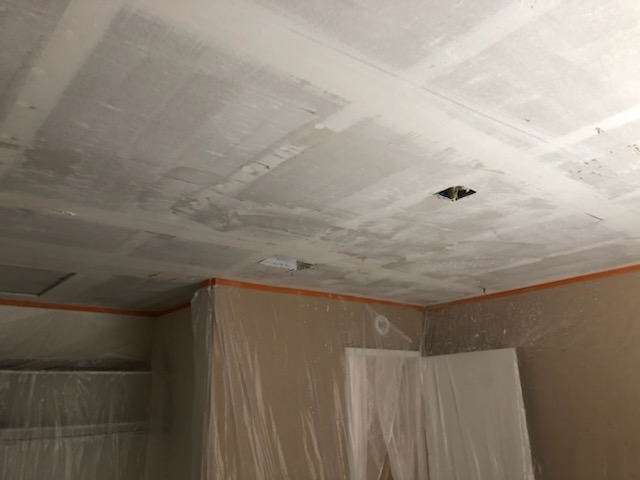
- Inspecting walls, ceilings, and floors for signs of damage.
- Identifying the source of the water intrusion.
Water Extraction and Drying
After assessing the damage, the next step is to remove the water. This can be done through:
- Using pumps for significant water removal.
- Employing wet/dry vacuums for smaller areas.
- Setting up fans and dehumidifiers to promote drying.
Cleaning and Sanitizing
Once the area is dry, it is essential to clean and sanitize to prevent mold growth. Steps include:
- Using a mixture of water and detergent to clean surfaces.
- Applying antimicrobial solutions to prevent mildew.
- Removing any damaged materials such as drywall or insulation.
Restoration and Repairs
The final step in the water damage restoration process is to repair and restore the affected areas. This includes:
- Replacing damaged drywall and insulation.
- Repainting walls and ceilings.
- Repairing or replacing flooring.
Preventing Future Water Damage
Once your property has been restored, taking preventive measures is essential to avoid future incidents. Consider the following:
- Regularly inspect roofs and gutters to ensure they are free of debris.
- Install sump pumps in basements prone to flooding.
- Seal cracks in walls and foundations to prevent water intrusion.
When to Call a Professional
While some water damage restoration tasks can be handled by homeowners, certain situations require professional assistance. You should call a professional if:
- The damage is extensive or involves structural components.
- There is contamination from sewage or hazardous materials.
- You are unsure about the source of the water damage.
Conclusion
Water damage restoration is a critical process that requires immediate attention and careful execution. By following the steps outlined in this guide, you can effectively address water damage and protect your property. Remember, when in doubt, don’t hesitate to seek help from professionals like Specialized Drywall Service's LLC to ensure the best outcome for your restoration efforts.