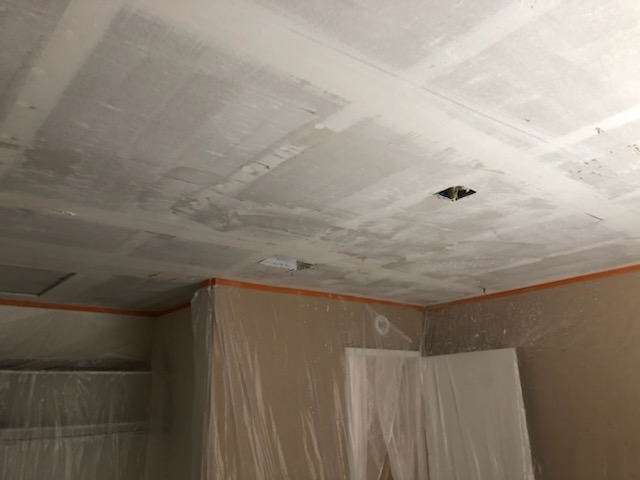
How to Repair Drywall Like a Pro
Drywall repair is an essential skill for homeowners and DIY enthusiasts alike. Whether you have small holes from nails or larger damage from accidents, knowing how to repair drywall can save you time and money. In this guide, we’ll cover everything you need to know to tackle drywall repairs like a professional.
Understanding Drywall Damage
Before jumping into repairs, it’s important to understand the types of drywall damage you might encounter. Common issues include:
- Small holes from nails or screws
- Larger holes from accidents or wear and tear
- Cracks due to settling or humidity
- Water damage from leaks
Essential Tools and Materials
Having the right tools and materials can make your drywall repair project smoother. Here’s what you’ll need:
- Drywall patch or piece of drywall
- Joint compound
- Drywall tape
- Utility knife
- Putty knife
- Sanding block or drywall sander
- Primer and paint
Step-by-Step Guide to Repairing Drywall
1. Prepare the Area
Clear the area around the damage and lay down a drop cloth to catch any debris. If the damage is large, consider turning off power to nearby outlets.
2. Clean and Cut the Damaged Area
Use a utility knife to remove any loose materials around the damaged area. For larger holes, cut a square around the damage to create a clean edge.
3. Install the Patch
For small holes, apply a patch directly. For larger holes, fit a piece of drywall into the hole and secure it with screws.
4. Apply Joint Compound
Use a putty knife to apply joint compound over the patch. Feather the edges to blend with the surrounding wall.
5. Sand the Area
Once the joint compound is dry, sand the area lightly with a sanding block for a smooth finish.
6. Prime and Paint
After sanding, apply primer to the patched area, followed by matching paint to complete the repair.
Common Mistakes to Avoid
To achieve professional results, steer clear of these common pitfalls:
- Skipping the sanding step
- Not applying enough joint compound
- Failing to feather the edges
- Rushing the drying time
When to Call a Professional
While many drywall repairs can be handled as DIY projects, there are situations where calling a professional is advisable. Consider hiring an expert if:
- The damage is extensive (more than a few square feet)
- There are signs of mold or water damage
- You’re uncomfortable working with tools or heights
- You need to match a specific texture or finish
Conclusion
Repairing drywall is a manageable task that can enhance the appearance of your home. With the right tools, materials, and techniques, you can achieve professional-looking results. Remember to take your time and follow the steps outlined in this guide for the best outcome. For extensive repairs or if you're unsure, consider reaching out to a professional service like Specialized Drywall Service's LLC for assistance.